Experimental Unit Practice for AP Statistics
Imagine a textile lab washing 48 stained fabric swatches to compare two detergents. It records one stain score per swatch. That gives the lab 48 scores whether it assigns a detergent to each swatch or to each jar holding six swatches. The two designs have 48 and eight experimental units, respectively.
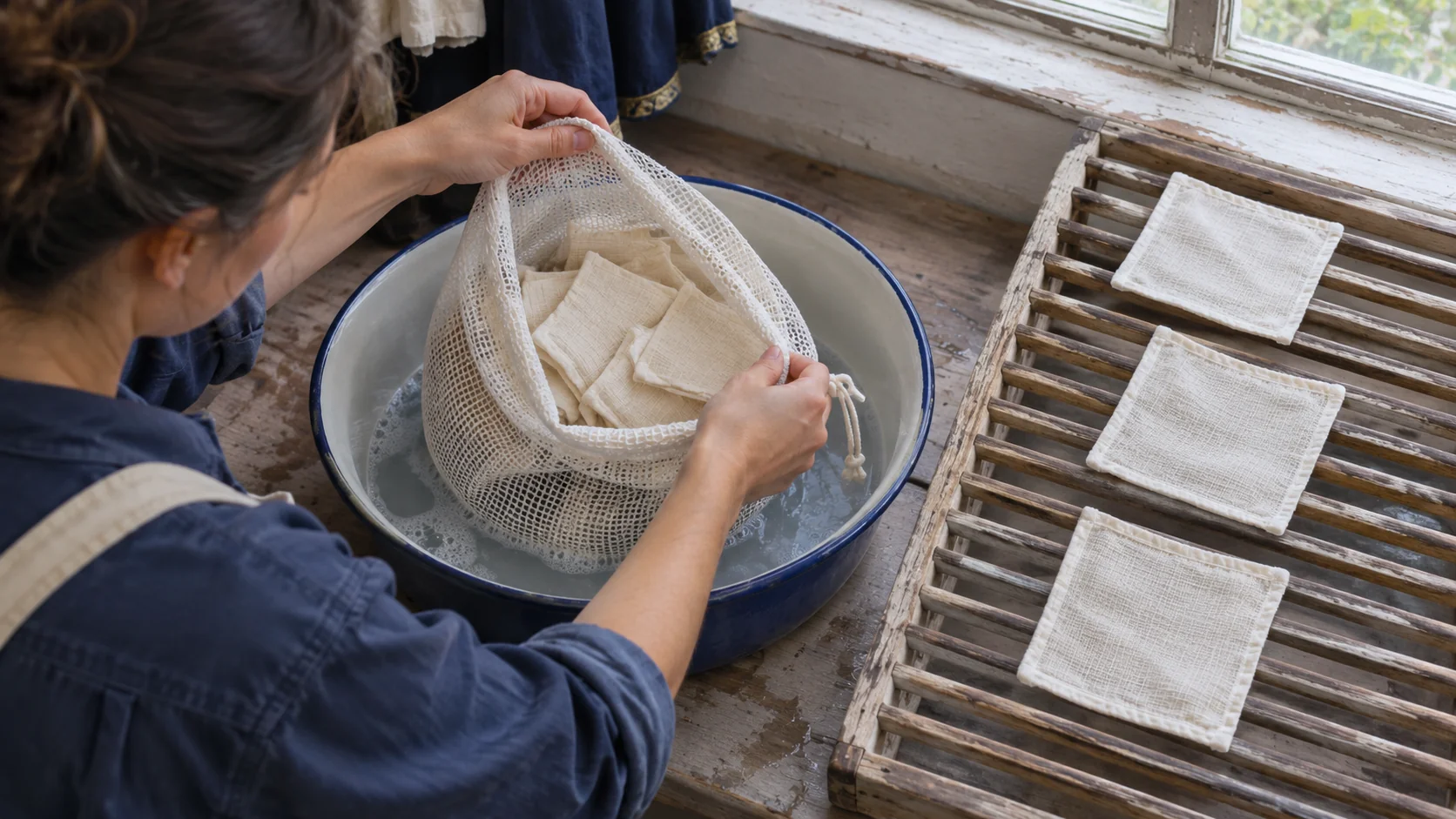
Follow the treatment assignment
An experimental unit is the smallest person, object, or group that gets its own treatment assignment. Find the sentence that assigns a treatment and circle the thing being assigned. Then name it in context. “The individual stained fabric swatches” gives a more precise answer than “the samples.” College Board covers treatments, experimental units, and response variables in Topic 1.10.C of the fall 2026 AP Statistics framework. AP Statistics Course and Exam Description, printed page 46.
Then look for what the researcher measures. An observational unit is the person or thing a measurement comes from. One swatch can fill both roles if it gets a detergent assignment and supplies a stain score. One observational unit can also supply several readings. Penn State’s lesson on experimental and observational units.
Same 48 swatches, two ways to assign detergent
The treatments are detergent A and detergent B. The outcome is the stain intensity score after washing. A lower score means less visible stain.
One assignment per swatch
The lab randomly selects 24 of the 48 swatch IDs for detergent A and assigns the other 24 to detergent B. It washes each swatch in its own jar of freshly prepared solution.
Each swatch gets its own treatment assignment, so the 48 individual swatches are the experimental units, 24 per detergent. The lab records one stain score per swatch.
One assignment per jar
The lab puts six swatches in each of eight jars. It randomly selects four jar IDs for detergent A and assigns the other four to detergent B. It prepares each jar’s solution separately.
Each jar gets one treatment assignment for all six swatches, so the eight jars of six swatches are the experimental units, four per detergent. The 48 individual swatches are the observational units. The lab still records 24 stain scores per detergent.
The treatment is repeated across four separate washes per detergent. Within each jar, the six swatches share one wash. A slightly cooler wash, for instance, could affect all six scores. The lab can use all 48 scores by averaging the six scores per jar or using a method that accounts for which scores came from the same jar. Penn State’s lesson on experimental units and replication.
Experimental unit practice worksheet
In each scenario, find the treatment assignment if there is one. Name the experimental unit in context and give the number of units if you can. Then name what’s measured and count the readings.
1. Coatings on ceramic tiles
A technician randomly assigns 10 of 20 ceramic tiles to coating A and the other 10 to coating B. After the coatings dry, the technician records the force needed to make the first scratch on each tile.
2. One glaze per tray
A baker puts 24 rolls on six trays, four per tray. The baker randomly assigns three trays to egg glaze and three to milk glaze. Every roll on a tray gets that tray’s glaze. After baking, the baker records one crust color score per roll.
3. Both glazes on each tray
The baker again has six trays with four rolls per tray. On each tray, the baker randomly assigns two rolls to egg glaze and two to milk glaze and brushes them individually. After baking, the baker records one crust color score per roll. What role do the trays play?
4. Insulated water bottles
A tester randomly assigns six of 12 water bottles to get an insulating sleeve and leaves the other six bare. Each bottle stays in its assigned condition throughout the test. The tester records the water temperature in each bottle at 15, 30, 45, and 60 minutes.
5. Shop lighting and electricity use
A researcher visits 25 shops and records the type of lighting each shop already uses and how many kilowatt-hours of electricity it used last month. What kind of study is this?
6. Cleaning screens in batches
A lab compares two sprays on 24 tablet screens. It cleans the screens in four batches of six and records one streak count per screen. The description leaves out how the lab assigned sprays A and B. What detail would settle the experimental unit?
Answer key
- 20 individual ceramic tiles. Each tile gets its own coating assignment. The technician records 20 force readings, one per tile.
- Six baking trays of four rolls each. Each tray gets one glaze assignment, and all four rolls on a tray get that glaze. The 24 rolls supply 24 crust color scores.
- 24 individual rolls. The baker assigns glazes to rolls within each tray. The six trays are blocks. Because each tray contains both glazes, the baker can compare glazes among rolls that share the same tray conditions. There are 24 crust color scores.
- 12 water bottles. Each bottle gets one assignment. The four temperature readings per bottle give 48 readings in total.
- An observational study with no experimental units. The researcher records existing lighting choices and assigns no treatment. The 25 shops are the observational units. Each shop supplies a lighting category and one electricity-use reading.
- Ask whether each screen or each batch got its own spray assignment. An assignment per screen gives 24 experimental units. One assignment shared by all six screens in each batch gives four. Either design yields 24 streak counts.
Keep practicing
Try the rosebush experiment from the May 2026 AP Statistics exam. In Question 2, Part A, identify the treatments, the experimental units, and the response variable in context. College Board’s 2026 free-response questions, page 5.
To connect assignment to the rest of a study design, practice writing the question the study can answer and identifying what the random step actually does. AP Statistics investigative questions · Random sampling vs. random assignment
The English flashcard deck includes one card about identifying the experimental unit in a packing-method study and another about assignment to discussion formats in tutorial groups. Try answering aloud before revealing the card back, then come back tomorrow and again a few days later. Spacing the reviews gives you practice recalling the rule after the details start to fade. Random Sampling vs Random Assignment Flashcards.
AI assisted with drafting the text and exercises. The illustration was AI-generated.