Japanese Small Tsu (っ): Reading and Spelling Practice
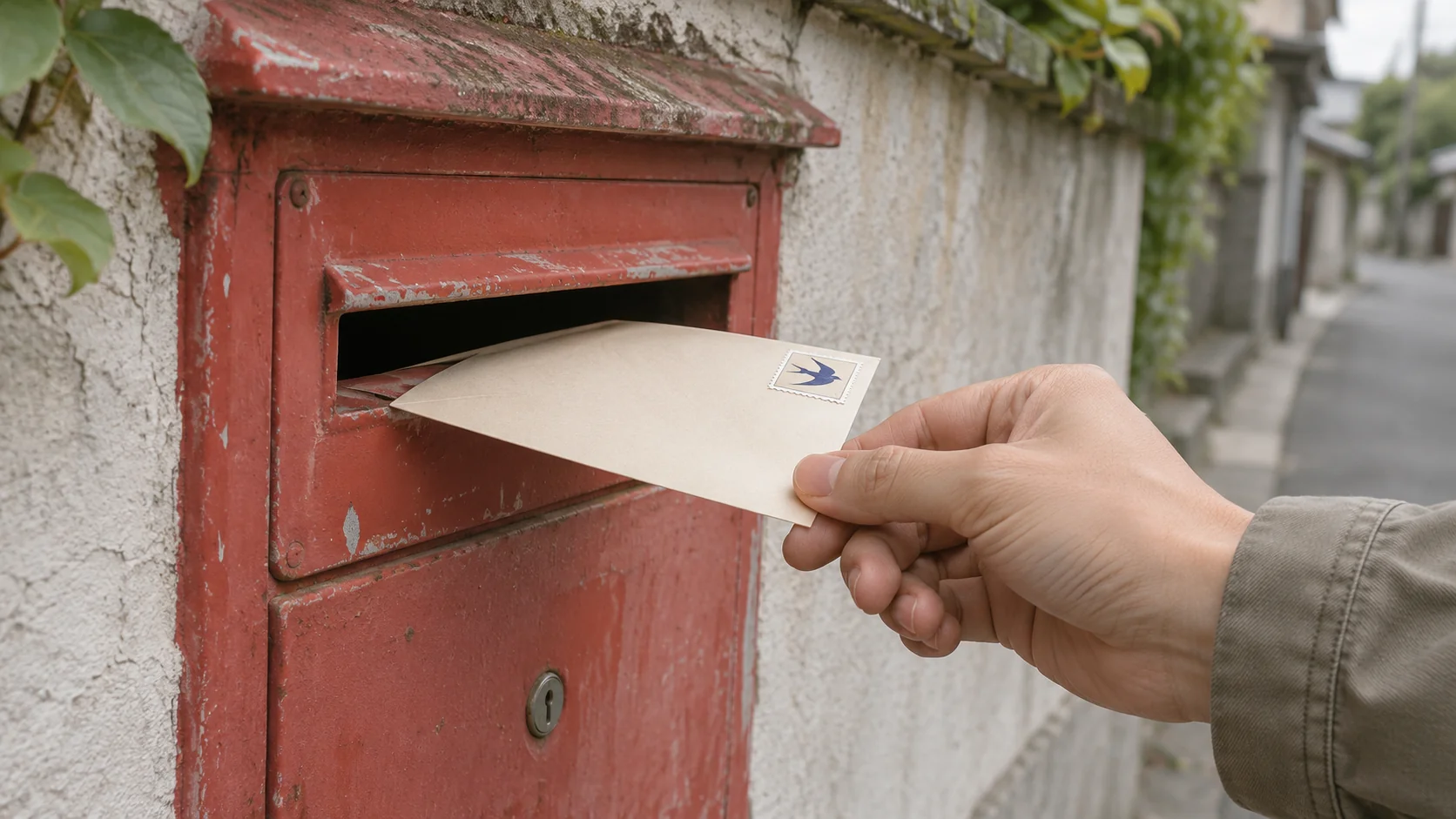
きて (kite, 来て) is “come,” as in 来てください (“please come”). Add a small っ and you get きって (kitte, 切手), “postage stamp.” Say them slowly. In きって, your tongue gets into position for t early and holds there before you say て. Japan Society’s hiragana examples
What the small っ does
Full-size つ sounds like tsu, as in つき (tsuki, “moon”). The small tsu in hiragana is っ, called sokuon. Inside words like きって, it lengthens the next consonant by one beat, or mora. The double t in the romaji spelling kitte marks that hold. Tokyo University of Foreign Studies pronunciation guide
Tap twice for き・て and three times for き・っ・て. On the middle tap of きって, keep your tongue in place for t. Release it into て on the third tap. The taps help you count. Use the recordings below to get a feel for the timing in speech.
Try さか (saka, 坂, “slope”) and さっか (sakka, 作家, “writer”). In さっか, hold the k closure at the back of your mouth. Now try ざっし (zasshi, 雑誌, “magazine”). Start the sh sound on the middle beat and carry it into し. The hold before か is quiet, while you can hear the sh through the middle beat of ざっし. The Japan Foundation’s Irodori kana sheet
Play both words in questions 1 and 2 of the TUFS audio exercise. Listen to さか and さっか, then いた (ita, 居た, “was there”) and いった (itta, 行った, “went”). Say each pair back and feel where your mouth holds the consonant. TUFS audio exercise
Small っ practice
Say the words out loud and jot down your answers before you scroll. If two words sound the same when you say them, count your taps and note what your mouth did.
- Read and tap つき, きて, and きって. How many beats does each get? What does your mouth do on the middle beat of きって?
- Which word means “writer,” さか or さっか? Which one means “went,” いった or いた? Read your choices aloud.
- Read さっか, いった, and ざっし. Which consonant do you hold in each word? When do you block the airflow, and when can you hear the sound carry through?
- Fix each spelling to match the romaji and then read it aloud. Try kitte → きつて, sakka → さか, and itta → いっか. Then write tsuki in hiragana.
- Try a new pair. Write kako and kakko in hiragana, then say both aloud. Which word takes an extra beat, and which consonant do you hold?
Answer key
- つ・き (2), き・て (2), き・っ・て (3). In きって, hold your tongue in position for t on the second beat. If you said ki-tsu-te, you counted three beats and gave the middle beat a full tsu sound. If you said ki-te, you skipped the hold and ended up with two beats.
- さっか (作家) means “writer.” Hold k for the extra beat to distinguish it from さか (坂), “slope.” いった (行った) means “went.” Compare そこにいた (“was there”) with そこにいった (“went there”). The second phrase has the extra t hold.
- Hold k in さっか, t in いった, and sh in ざっし. For k and t, briefly block the airflow and then release it. For sh, keep the sound going. If you held t in さっか, look at か and get ready for k as soon as you reach っ.
- きって, さっか, いった, つき. Shrink the middle つ in きつて to っ for kitte. Add っ before か for sakka. In いっか, keep the っ and change か to た for itta. In tsuki, the first beat has the full tsu sound, so write つ.
- か・こ (kako, 過去, “the past”) takes two beats. か・っ・こ (kakko, 括弧, “brackets”) takes three. Hold k on the middle beat, then release it into こ. Play both words in question 3 to check your reading. TUFS audio exercise
Tomorrow, pick a pair you missed. Use the English meanings as cues to write both words in hiragana from memory. Say them aloud, then check your timing against a recording. If basic kana still slow you down, the hiragana deck has 92 cards for spaced review of the 46 basic characters. It asks you to recall romaji from kana and kana from romaji. Basic hiragana flashcards
AI tools helped research and write this article and develop the practice questions.