Used To, Be Used To, Get Used To: Practice in Context
“Mina used to take the ferry” describes an old routine. “Mina is used to taking the ferry” describes something familiar. Add one small word, change the verb ending, and you've made a different claim about her life.
The choice between used to, be used to, and get used to starts with meaning: a former habit or state, familiarity, or becoming familiar. Then choose the verb form that fits.
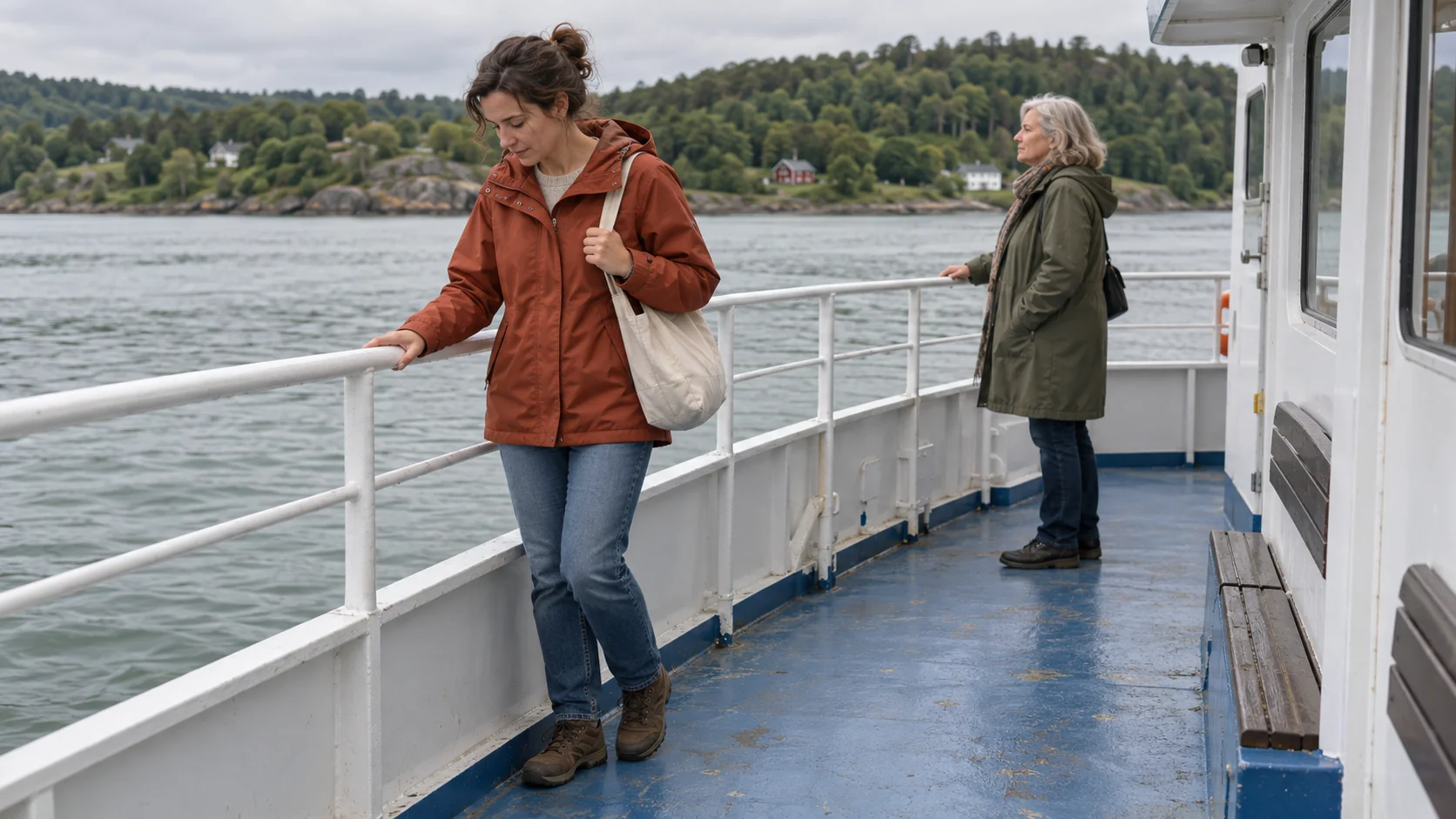
The same journey, three different claims
Imagine three possible accounts of Mina's commute. These are alternative stories, rather than three facts you must combine.
| Sentence | What the speaker tells us |
|---|---|
| Mina used to take the ferry to work. | Taking the ferry was her routine in the past; that routine has changed. |
| Mina is used to taking the ferry to work. | The crossing is familiar to her. |
| Mina is getting used to taking the ferry to work. | She's becoming familiar with the crossing. |
In the first story, Mina might now work inland. She could still take a ferry on holiday; it's the work routine that has changed. In the second, she knows where to queue and how boarding works. In the third, she might still check every announcement, although the journey feels less strange each day. Those extra details illustrate the meanings; the grammar alone doesn't supply them.
The British Council's explanation of these three constructions covers the underlying distinction. Here, we'll practice choosing which story a sentence tells.
Choose the meaning before the ending
Used to + base verb describes a former repeated action or state: “This room used to be the ticket office.” A room's former purpose is a state; it doesn't need to be an action someone repeated.
Be used to + noun, pronoun, or -ing form describes familiarity: “Mina is used to the crossing,” “She's used to it,” or “She's used to standing on deck.” In this construction, to is a preposition, so a following verb takes -ing.
Get used to + noun, pronoun, or -ing form describes becoming familiar. “Mina is getting used to standing on deck” presents an ongoing change. “Mina got used to standing on deck during her first month” presents the adaptation as completed. Get used to doesn't always mean the process is still happening.
The practical distinction in used to doing vs used to do is therefore the whole phrase: “She used to stand on deck” versus “She is used to standing on deck.” If choosing verb forms is a separate difficulty, the past simple vs past participle guide practices looking at the surrounding structure.
Familiar doesn't mean favorite
“Mina is used to crowded ferries, but she hates them” makes sense. Familiarity doesn't establish enjoyment, choice, or how often she travels now. An experienced traveler might take the ferry only occasionally.
To report a current routine, use a present-tense sentence such as “Mina usually takes the ferry on Mondays.” Cambridge's guide to usually distinguishes typical behavior from former habits and familiarity. “She usually takes it” and “She's used to taking it” could both be true, but they answer different questions.
Keep an eye on questions and negatives
For learner writing, use did use to and didn't use to:
- “Did Mina use to take the ferry?”
- “Mina didn't use to take the ferry.”
Keep used in the familiarity construction: “Is Mina used to taking the ferry?” and “Mina isn't used to taking it.”
Cambridge's full used to reference notes that spellings with did used to occur, while recommending the form without d for exams. Use that recommended form in the repairs below.
The -ing ending doesn't set the time. Compare “She was used to working alone” with “She will get used to working with a team.” The surrounding verbs establish the time. For other meaning changes involving these endings, try the gerund vs infinitive practice.
Try these used to and get used to exercises
Choose a form of used to, be used to, or get used to, unless other choices are given. Write the whole missing phrase and explain its meaning. Follow the requested focus; where two constructions are offered, explain the difference instead of guessing from a single clue word.
- Mina traveled by ferry every weekday in her previous job. She now walks to an inland office. “Mina ___ the ferry to work.” Use take and describe her former routine.
- Omar has just started commuting by ferry. Boarding feels less confusing each day, but it's still unfamiliar. “Omar ___ the ferry.” Use take and describe the change in progress.
- Jo has crossed this bay for years. Crowded boats don't surprise her, although she dislikes them. “Jo ___ on crowded boats.” Use travel and describe familiarity. Does this mean she enjoys it?
- For six months after moving, the ferry terminal announcements confused Ali. Eventually, they became familiar. Describe that completed change: “Ali eventually ___ the announcements.” Use get used to. Must you add an -ing verb?
- The ferry terminal had no lift. There is one now. Complete the former-state sentence: “The terminal ___ a lift.” Use not / use to / have.
- You want to ask whether ferries were Sara's regular transport before she moved. Repair this question for learner writing: “Did Sara used to taking the ferry?”
- You want to say that the noise is still unfamiliar to you. Repair: “I'm not used to hear the engine.” How would “I didn't use to hear the engine” change the meaning?
- Bea's current schedule is a Tuesday ferry and a bus on other days. Report that routine: “Bea ___ the ferry on Tuesdays.” Choose usually takes / used to take / is used to taking.
- You start a job at the ferry terminal next month. You expect sharing an office to become familiar after some time: “I think I'll ___ an office.” Use get used to / share. Does the ending make this a past event?
- “During his year working on the ferry, Dan was used to sleeping / got used to sleeping in a small cabin.” Both are grammatical. Explain what each version emphasizes. Does either sentence tell us his sleeping arrangements now?
Answers and what they establish
- Used to take. The ferry journey was Mina's past routine. The context explicitly supplies her present arrangement too.
- Is getting used to taking. Omar is adapting. Is used to taking would present familiarity as already established, which isn't the requested focus.
- Is used to traveling. This directly states Jo's familiarity with crowded crossings. Her dislike remains compatible with it. “Jo has got used to traveling on crowded boats” would also fit the situation, but would emphasize the change that brought her to this point.
- Got used to. The completed sentence is “Ali eventually got used to the announcements.” The noun phrase the announcements can follow to directly; no extra verb is needed.
- Didn't use to have. This describes a former state. Write use after didn't and keep have in its base form.
- Did Sara use to take the ferry? The question asks about a past routine. “Was Sara used to taking the ferry?” would ask about familiarity at a past time.
- I'm not used to hearing the engine. The sound is unfamiliar. “I didn't use to hear the engine” says hearing it wasn't a regular past experience; it doesn't directly describe your familiarity now.
- Usually takes. This reports Bea's current routine. Used to take would describe a former routine. Is used to taking would describe familiarity, which the schedule alone doesn't establish.
- Get used to sharing. “I'll get used to sharing an office” predicts adaptation. Will places it in the future; sharing is the form required after get used to.
- Was used to sleeping presents an established familiarity during that period. Got used to sleeping presents the change through which sleeping in the cabin became familiar. Neither tells us where Dan sleeps now.
Keep the context on your card
Save a question you missed with the reason for its answer. A bare prompt such as “used to ___ (take)” hides the very distinction you need to practice.
| Front | Back |
|---|---|
| Ferry boarding still feels unfamiliar to Omar, but less so each day. He ___ the ferry. (take; describe ongoing adaptation) | is getting used to taking — he's becoming familiar with it. |
For a new example, describe something you once did regularly, something familiar to you, and something you're adapting to. Keep the meanings separate even if you choose the same activity. Check the complete phrase before saving it for later recall.
Preparation note: AI tools were used to research, draft, and edit this article and generate its illustration. These original exercises haven't been tested with learners. Nibomo is owned by Kirill Markin.